
The Role of Concrete in Sustainable Building Design
Concrete has long been a fundamental building material in construction due to its durability and versatility. In the evolving landscape of sustainable building design, concrete plays a crucial role, not only as a structural element but also as a contributing factor to environmental responsibility. The integration of innovative sustainable practices in the use of concrete is key to reducing the ecological footprint of construction projects and fostering a greener planet.
Advantages of Concrete Durability
One of the primary advantages of using concrete in sustainable building design is its inherent durability, which significantly extends the lifespan of structures. Concrete buildings require less maintenance and have a longer life expectancy compared to structures made from other materials, such as wood or steel. This helps to reduce the frequency and environmental impact of new construction projects. For this reason, embracing concrete as a long-lasting material aligns with sustainable building goals that prioritize resource conservation.
Innovations in Sustainable Concrete
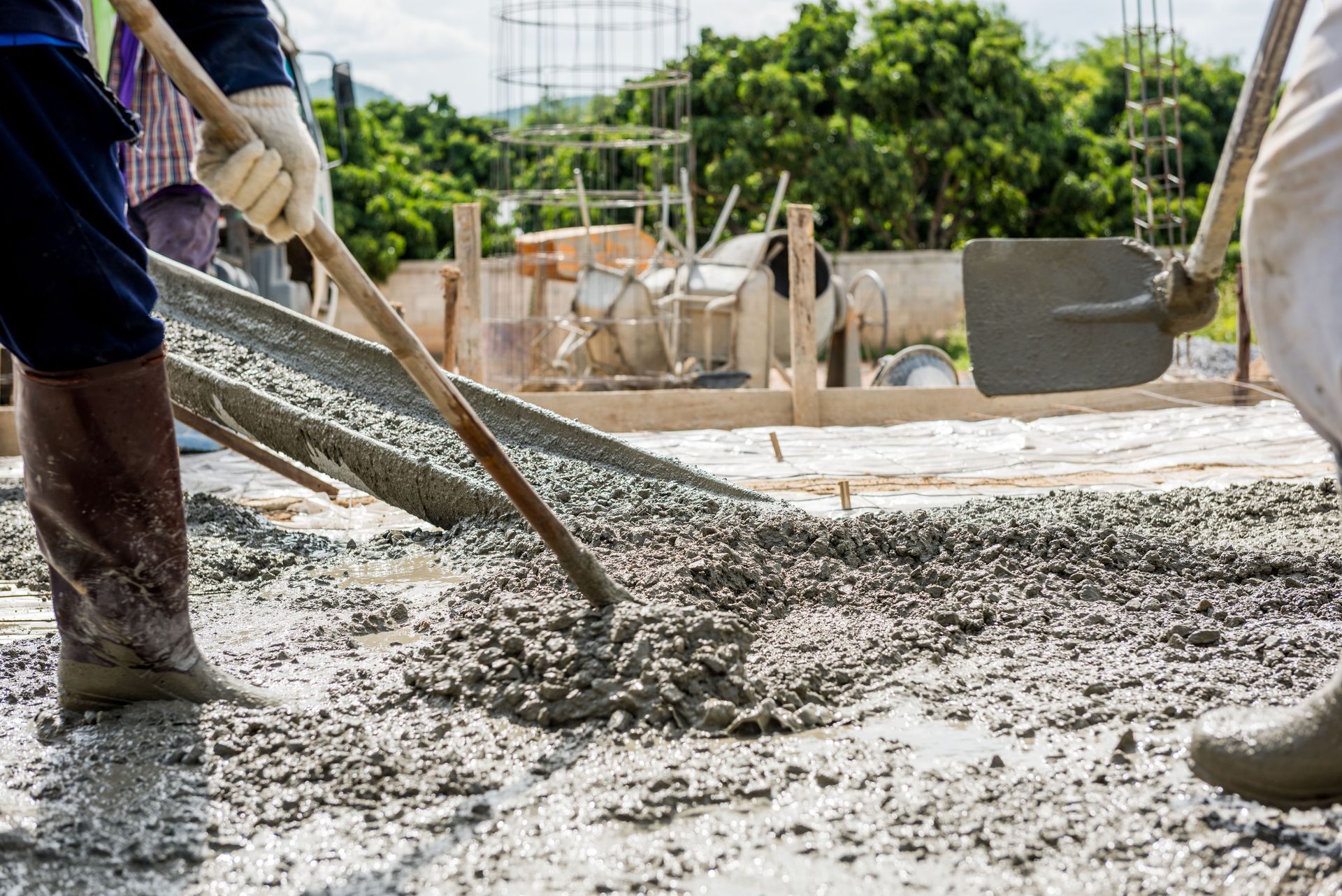
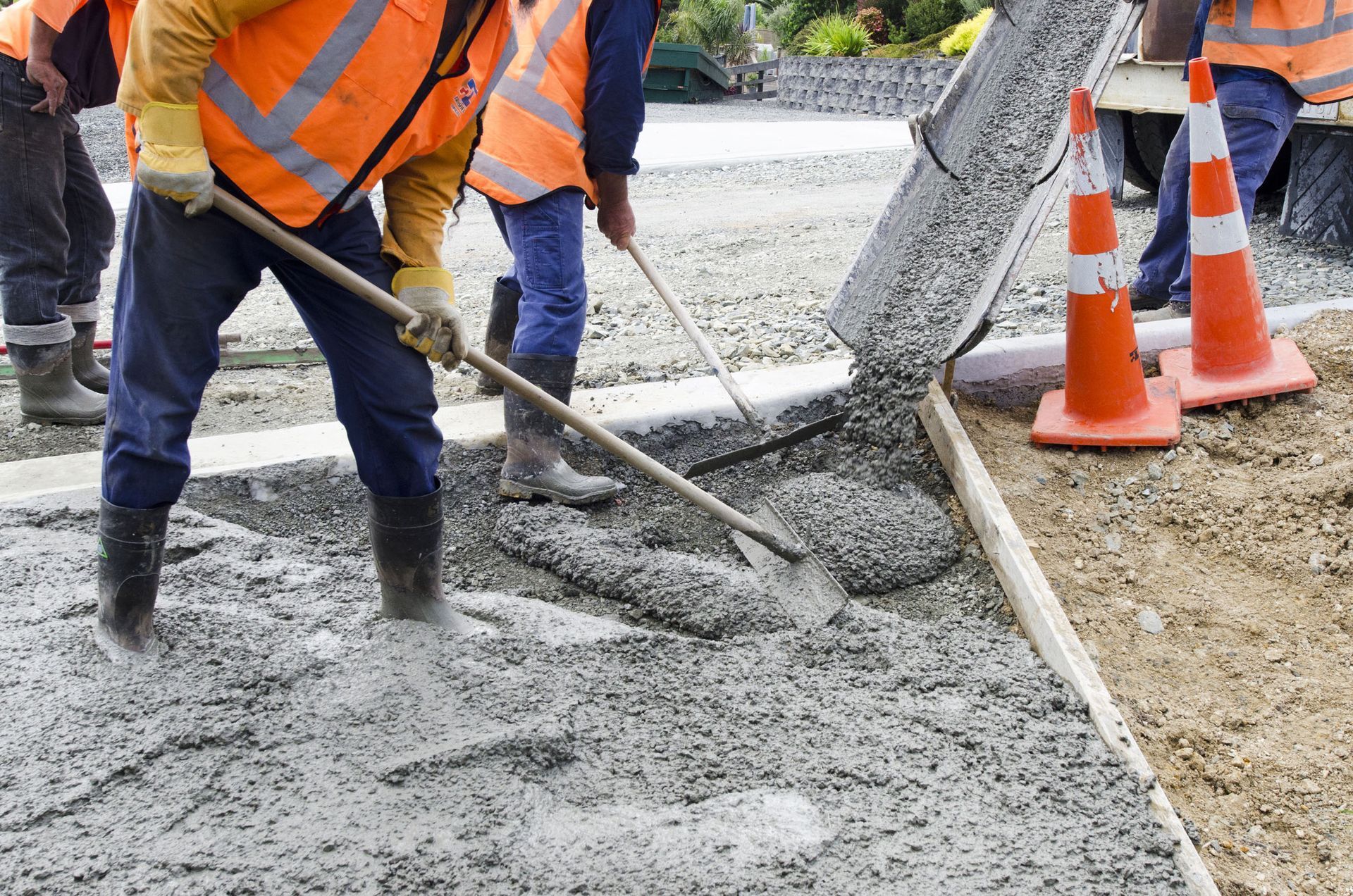
Moreover, the construction industry is making strides in improving the environmental performance of concrete through alternative mixtures and technologies. By incorporating recycled materials like fly ash, blast furnace slag, and recycled aggregates, concrete's carbon footprint can be significantly lowered. Thanks to the efforts of industry professionals, such as the 88,286 concrete contractors in the U.S., according to IBISWorld, the focus is shifting towards enhancing the sustainability of concrete, thereby facilitating eco-friendly construction solutions at scale. Working with an experienced commercial concrete company ensures that these innovative mixtures are applied correctly on-site, maximizing both structural integrity and environmental benefits.
Benefits of Concrete Energy Efficiency
Designers and builders also use concrete's thermal mass properties to enhance a building's energy efficiency, a cornerstone of sustainable building design. Concrete's thermal mass capability allows it to absorb, store, and release heat, moderating indoor temperatures and reducing energy reliance on heating and cooling systems. This energy-saving attribute not only decreases operational costs but also enhances the comfort of building occupants while reducing overall energy consumption and related emissions.
Concrete remains a vital component in sustainable building design due to its durability, adaptability to recycled content, and energy efficiency benefits. The construction industry's commitment to advancing concrete technologies underscores its role in promoting sustainability. Collaborating with a reputable commercial concrete company allows builders to implement these eco-friendly practices effectively, supporting long-term sustainability goals. If you need a reputable commercial concrete company, contact Worth Construction Inc today!

Share On: